

Chimney Terminology 101
As a homeowner with a gas- or wood-burning fireplace, it is essential not only to understand how to build a productive fire but also to be familiar with the most common chimney terms.
Why? It’s like driving a car. When you bring your vehicle into the shop, knowing whether you are having a problem with the battery, alternator, or transmission helps the mechanic pinpoint the issue, saving you time and money. The same holds for fireplaces and chimneys. Being able to describe a problem to a chimney sweep in their language helps them solve the issue faster. Let’s go back to basics and review Chimney Terminology 101:
 The Essential Vocabulary
- Ash Dump: A small opening in the floor of the firebox used to discard ashes into an ash pit below for easy cleaning.
- Chimney Breast: The part of the chimney that extends outward into the living space, enclosing the fireplace.
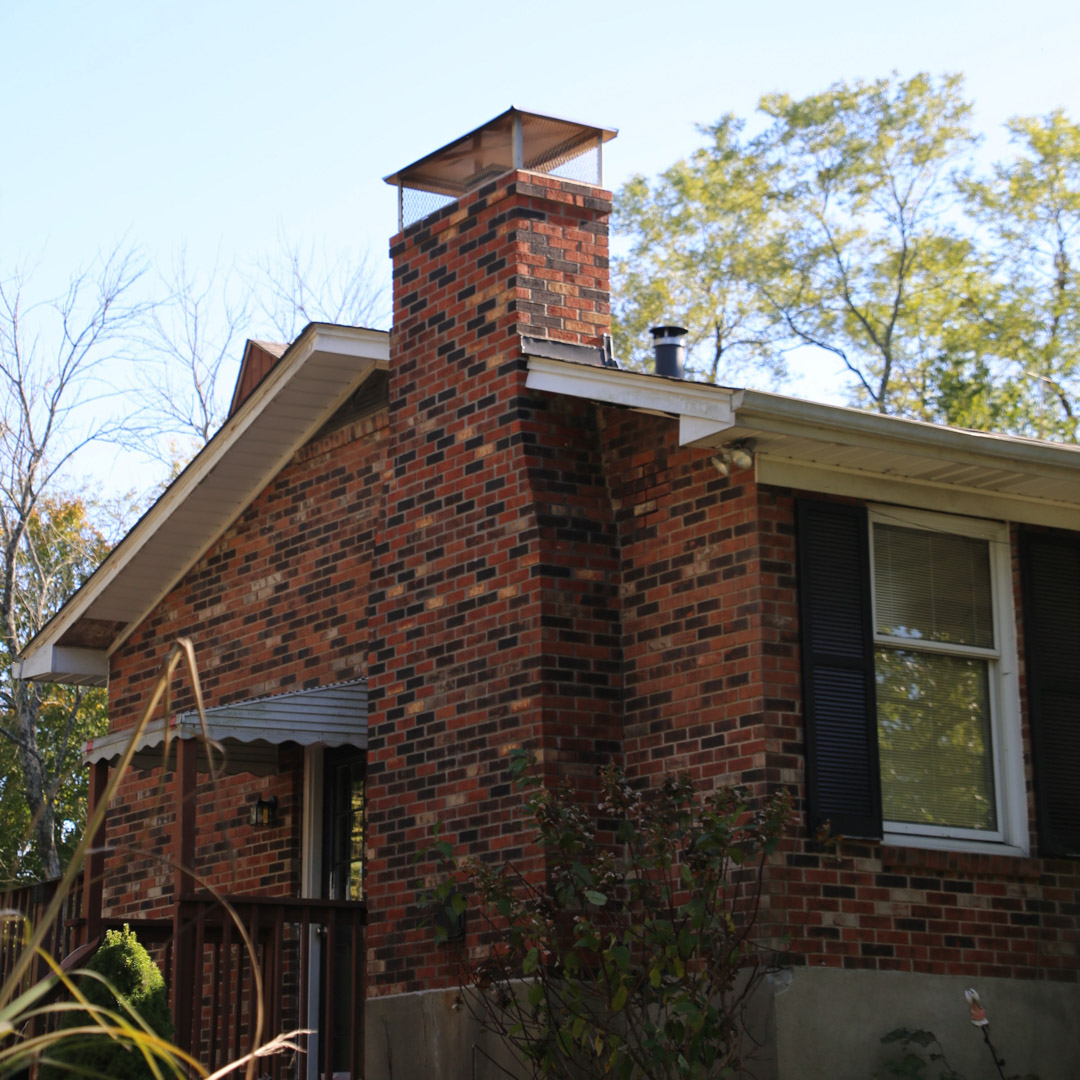
- Chimney Cap: The protective “cover” at the chimney top that keeps out rain, birds, and debris.
- Chimney Crown: The concrete slab at the top of the chimney that surrounds the flue pipe with a drip edge to shed water away from the masonry.
- Damper Assembly: A movable iron or metal plate above the firebox that controls airflow and seals the chimney shut when not in use.
- Firebox: The interior of the fireplace where the fire burns.
- Flue: The vertical passageway inside the chimney that carries smoke and gases out of the home at the top of the stack.
- Flue Liner: A clay, metal, or ceramic conduit that insulates the interior masonry walls from heat and corrosion and prevents heat transfer to nearby combustible materials.
- Hearth Extension: The non-combustible floor area in front of the fireplace that protects your flooring from sparks that could jump out of the firebox.
- Lintel: A heavy steel, concrete, or stone horizontal beam that supports the masonry above the fireplace opening.
- Smoke Chamber: An inverted funnel-shaped area that compresses smoke and gases so that it rises the flue efficiently.
- Throat: The narrow part of the chimney, located between the firebox and smoke chamber.
Repairing Common Chimney Problems
Identifying the problem is the first step; knowing the solution is the second. Here is how to handle common issues:
1. Your chimney crown has minor cracks. What is a simple and cost-effective method to repair?
Apply EverCrown® before the cracks expand and require a rebuild. This flexible, waterproof coating provides fast, efficient, and long-lasting repairs of minor crown damage.
2. The exterior brickwork has white streaks (efflorescence), usually after a spring rain. What should you do?
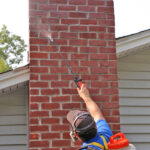
White streaks indicate that water is penetrating deeply into the bricks, bringing salts to the surface. Ask your chimney professional to waterproof your masonry with RainTite®. This vapor-permeable coating forms an invisible shield locking out moisture while allowing trapped vapors to escape.
3. Your chimney liner is deteriorating. How can you fix it?
A damaged liner is a major fire and health hazard. Thermocrete® is a revolutionary ceramic flue sealant. It is sprayed into the chimney to fill cracks and voids, creating a smooth, seamless, and heat-resistant surface without the need for installing a new liner.
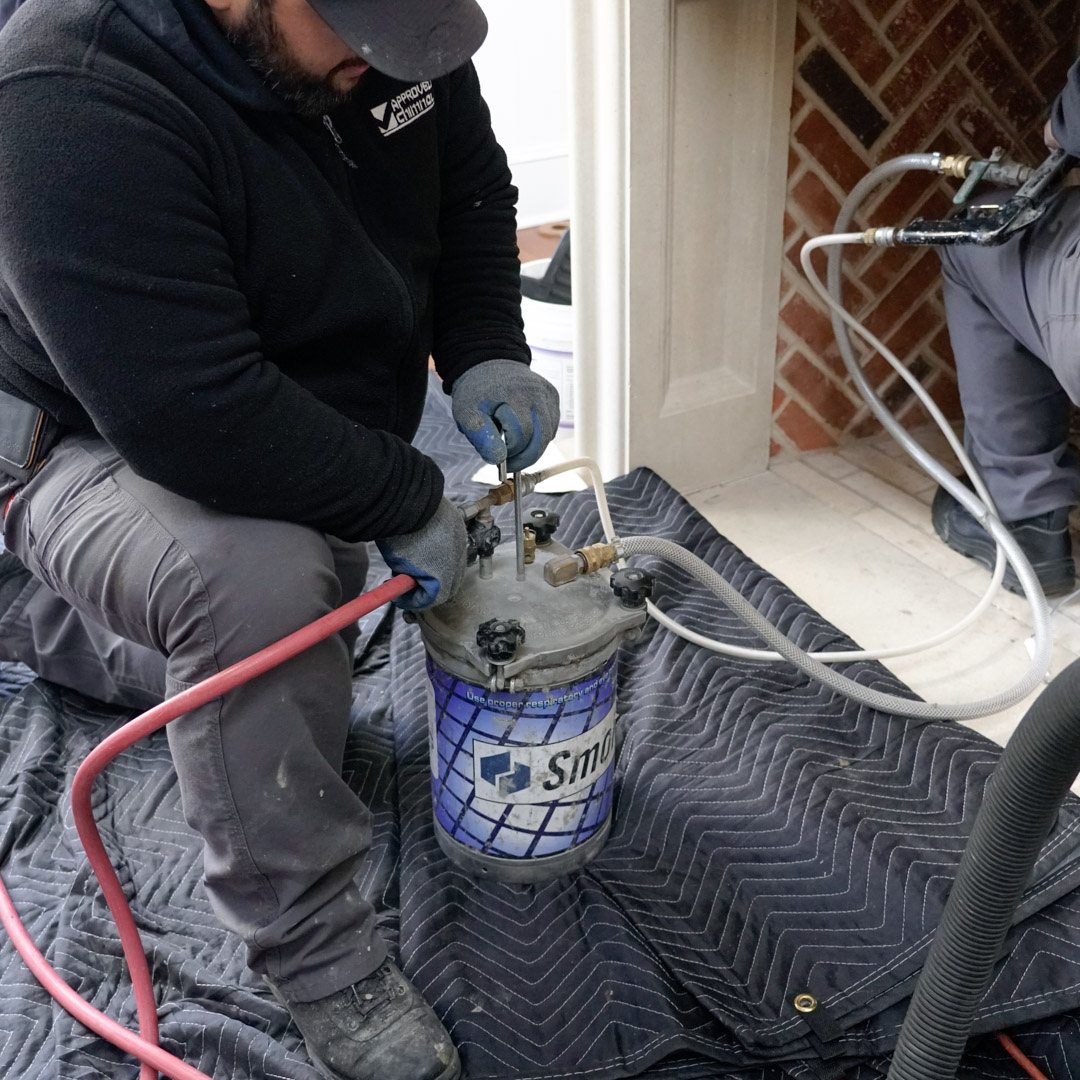 4. Your smoke chamber requires parging. What is the best method?
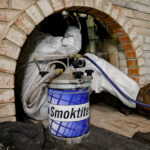
To comply with NFPA industry standards and building codes, the smoke chamber must be parged smoothly. SmokTite® is a refractory ceramic coating that seals gaps, creating a seamless, durable surface, improving draft and heating efficiency.
Best Way to Repair & Waterproof Your Chimney
Our professional-grade solutions are trusted by industry professionals and deliver long-lasting results. Browse our complete line of advanced ceramic coatings and thermal protective systems or contact Approved Industries to find a certified installer near you.