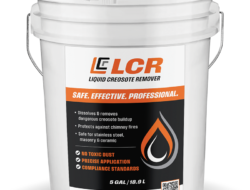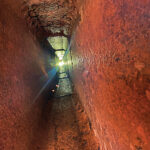



LCR is an advanced solution specially formulated to remove third-degree glazed creosote from various chimney flues. It penetrates, dissolves, and absorbs the creosote buildup, causing it to lose adhesion and detach from the flue surface as it dries. The residue can then be removed with a standard chimney sweeping.
Why LCR®?
There are many benefits of choosing LCR® Liquid Creosote Remover, including:
- No Toxic Dust
- Precise Application
- Compliance Standards
- Safety First Reputation
- Professional Grade
LCR vs. Dry Powder Creosote Removers
LCR Liquid Creosote Remover offers critical safety and performance advantages over traditional dry powders. At Approved Industries, we developed LCR with our installers in mind. By creating a liquid solution, we eliminated the toxic dust exposure that comes with dry powders. This ensures a safer work environment, protecting the health of our teams while delivering a superior product.
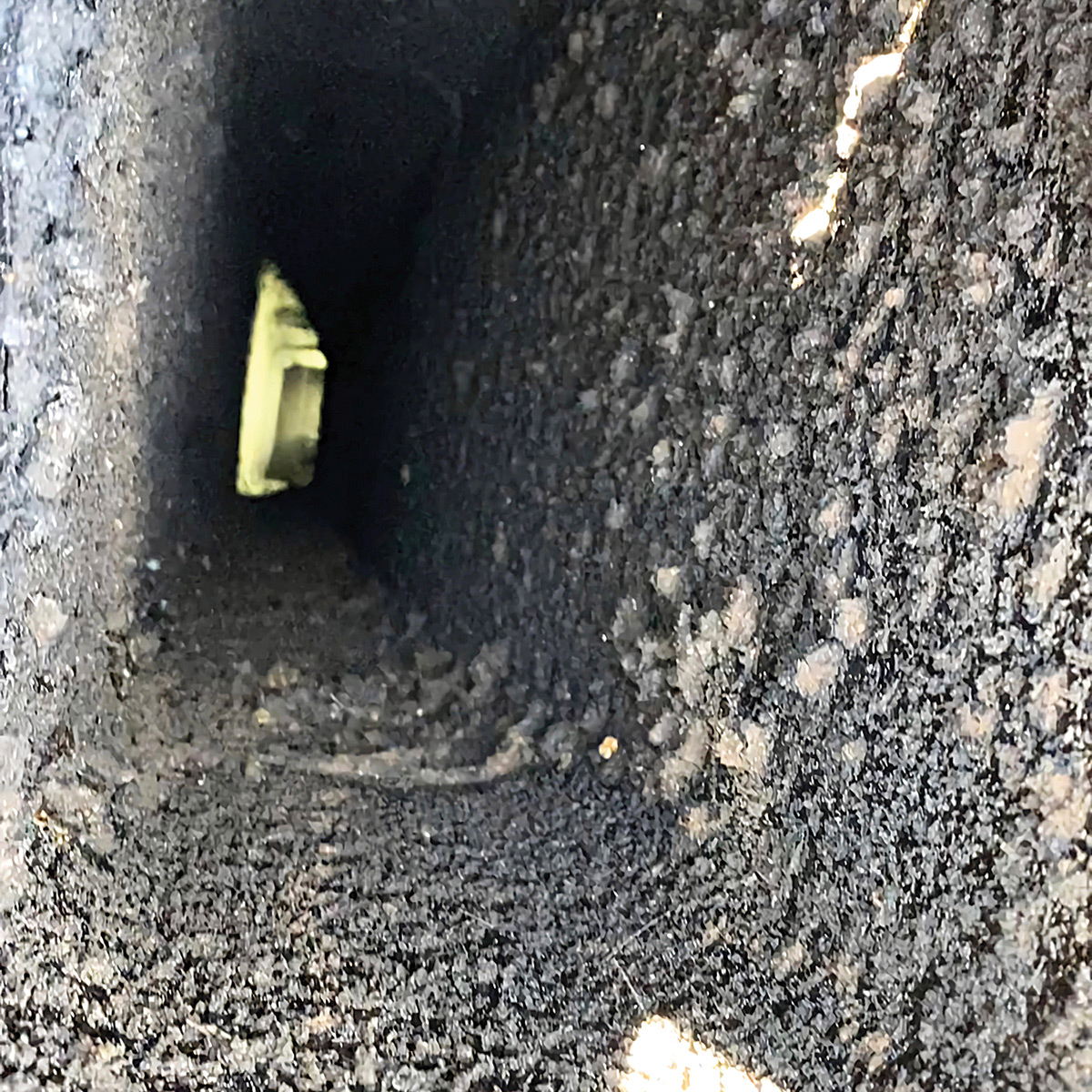
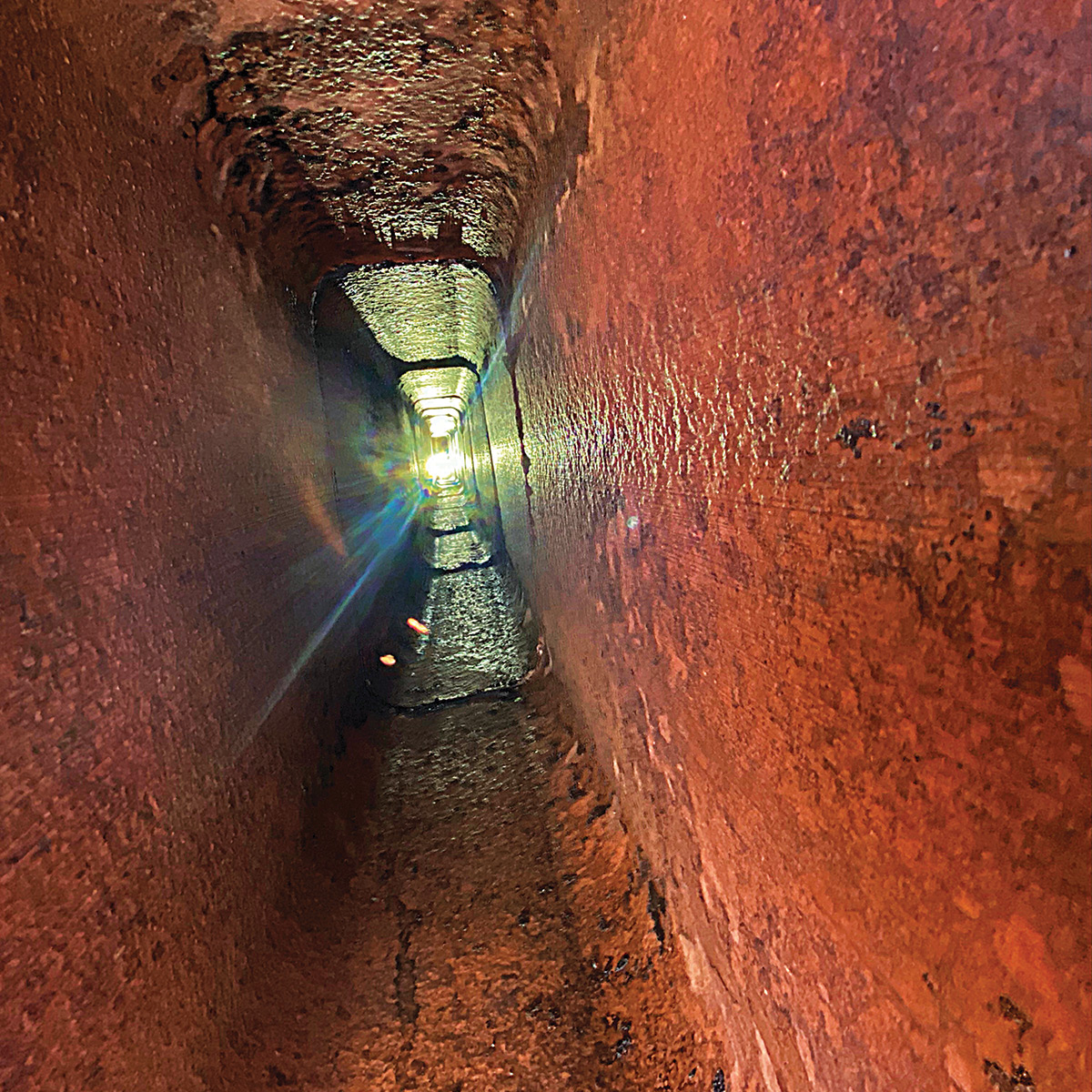
LCR can be applied by brush for accessible areas or sprayed using systems like Thermocrete or Smoktite. LCR is the recommended treatment for glazed creosote deposits, effectively reducing the risk of chimney fires and restoring safe operation.
LCR Liquid Creosote Remover is the next-generation solution. It protects installers, delivers SUPERIOR CREOSOTE REMOVAL, and ensures compliance with modern safety standards.
Shop LCR® Liquid Creosote Remover
Step 1: Preparation
- Ensure all personnel handling LCR are wearing appropriate protective equipment, including chemical-resistant gloves, respirator, and eye protection.
- Protect surrounding areas with poly tarps or suitable coverings to prevent splatter.
Step 2: Mixing
- LCR is supplied in 5-gallon containers, consisting of a liquid blend with varying particle sizes. After remixing use the entire bucket — partial use will not be effective due to the varied composition of materials.
- Settling may occur during shipment. Remix thoroughly using a drill with a mixing paddle before application.
Step 3: Coverage & Application
- One 5-gallon container will treat approximately:
- 15–20 linear feet of 7" x 11" ID clay tile flue, or
- 10–15 linear feet of 11" x 11" ID clay flue liner.
- Cover the fireplace opening or thimble to prevent LCR from entering the living area.
Step 4: Spraying with Thermocrete Equipment
- Pour LCR into the Thermocrete hopper and spray as directed.
- After application, thoroughly clean the hopper, hose, and spray head with water.
- Repeat the cleaning process as needed to ensure all material is removed.
Step 5: Spraying with Smoktite Smoke Chamber Equipment
- Pour LCR into the Smoktite canister and spray as you would with Smoktite Smoke Chamber Sealant.
- After application, thoroughly clean all components:
- Canister
- Lid
- Spray gun
- Run clean water through hoses until all traces of LCR are removed.
- Repeat cleaning as necessary to ensure the system is fully clear.
Drying and Removal
- LCR will typically dry within 24–48 hours under normal airflow conditions, depending on weather.
- Use a chimney cap to prevent rain from re-wetting the material during the drying process.
- For accelerated drying, use an electric fan, heater, or burn several “Duraflame”-type logs.
Once dry, the treated surface will appear cracked, and portions of the material may have detached, collecting in the thimble, smoke shelf, or firebox. Remaining residue can be removed using standard or mechanical chimney sweeping methods.
Note: Heavy creosote deposits may require multiple applications. After removal, the flue liner should be inspected for defects such as cracked tiles or damaged mortar joints, and repairs must be completed before resuming normal operation.
Safety and Protection
- Always wear eye protection, protective clothing, and chemical-resistant gloves.
- Do not handle until all safety precautions are understood.
- Avoid inhaling dust, fumes, mist, spray, or vapors.
- Refer to the Safety Data Sheet (SDS) for detailed information: https://approvedindustries.com/
First Aid Measures
- If swallowed: Rinse mouth. Do not induce vomiting. Drink water and call a physician immediately.
- Skin (or hair) contact: Wash thoroughly with soap and water. Remove contaminated clothing. If irritation or rash occurs, seek medical advice.
- Eye contact: Rinse cautiously with water for at least 15 minutes. Remove contact lenses if present and continue rinsing. If irritation persists, seek medical attention.
- Inhalation: Move to fresh air immediately. If breathing is difficult, call a physician.
Storage and Handling
- Store out of reach of children.
- Keep in the original, tightly sealed container.
- Protect from extreme temperatures.
Spillage/Leaks:
- Dilute spills with water and absorb to prevent surface damage.
- Dispose of waste and empty containers in accordance with local, national, and international regulations.