

Understanding Confusing Fireplace Terms
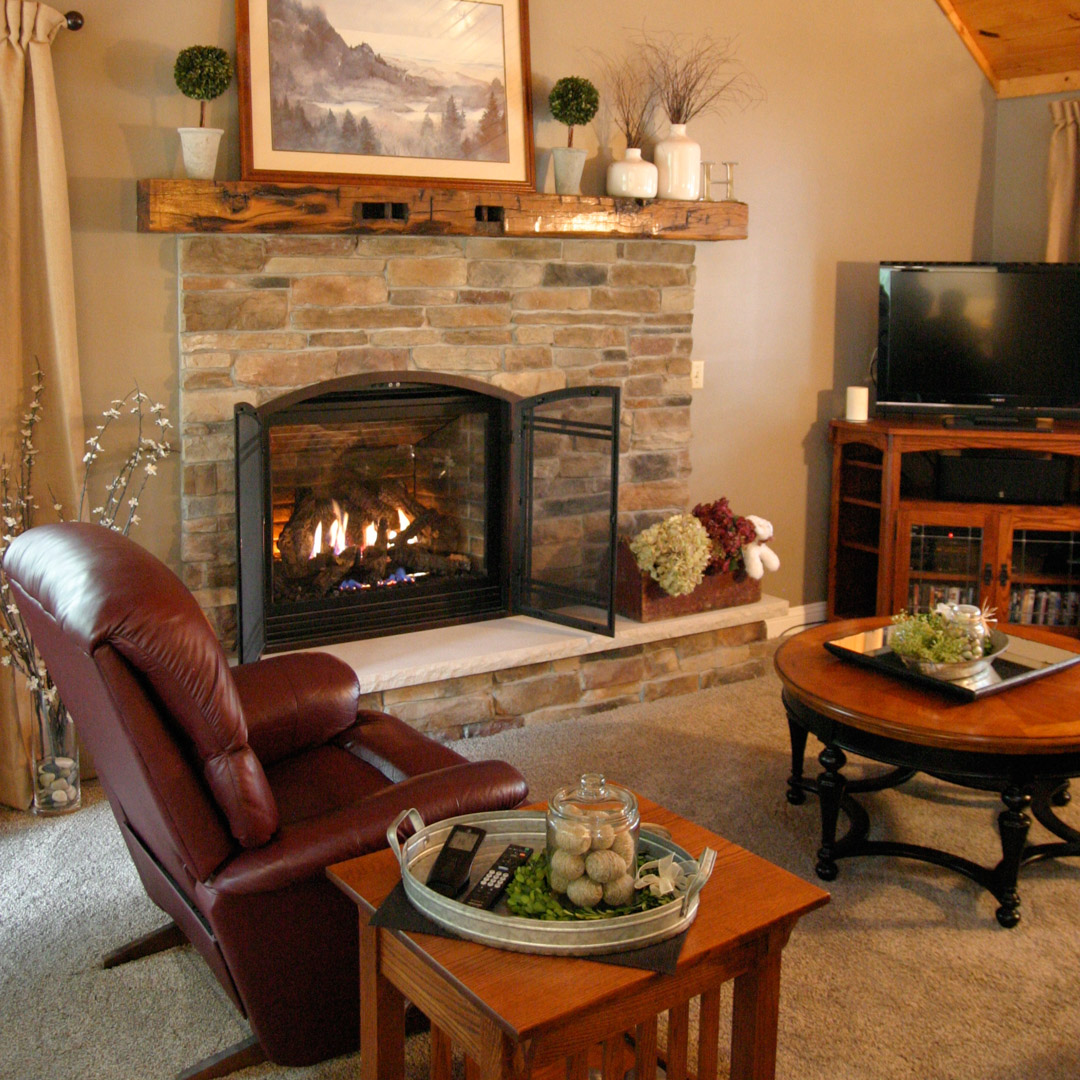
When asked about “the place” where wood logs burn, a typical homeowner might respond with “the fireplace” or even “the chimney.” However, the correct term is actually “the firebox.” Confused? Understanding confusing fireplace terms is essential when consulting with a chimney sweep, planning an upgrade, or shopping for a new unit. For fun, we’ve added a quiz below to test your knowledge.
Ash Pit:
An area under the firebox that collects the ashes.
Chimney Flue:
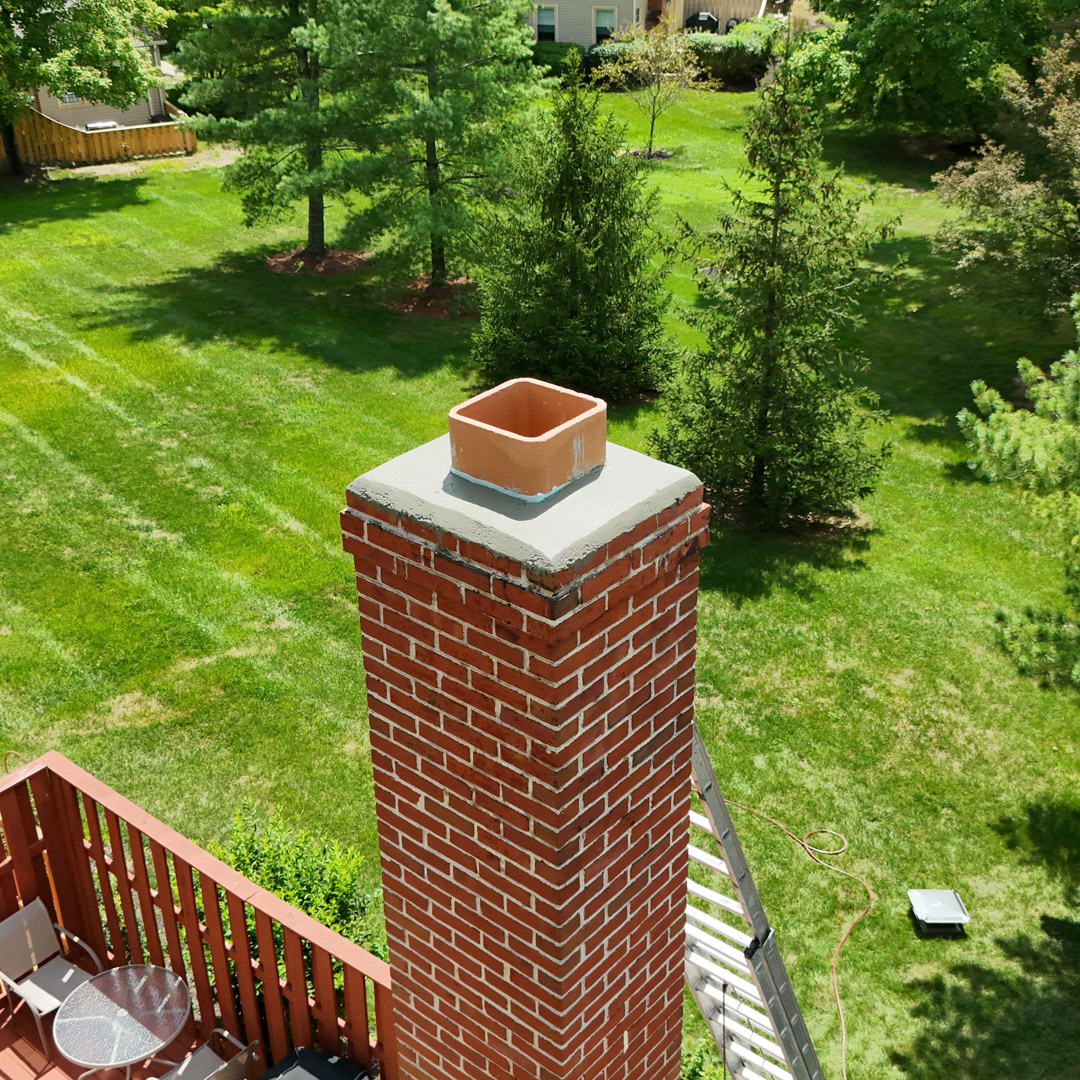
The duct above the fireplace that expels smoke, exhaust gases, and combustion byproducts up the flue pipe to exit the home at the top of the chimney.
Cleanout Door:
A small, metal door, often found at the base of the chimney, that provides access to the ash pit for removing ashes.
Firebox:
The inner chamber where the actual fire burns. It should be constructed with heat-resistant, non-combustible material.
Firebrick:
Blocks of heat-resistant ceramic material that line the firebox. They are held together with refractory mortar and protect the masonry structure from the extreme heat of the fire.
Fireplace Surround:
The decorative material that frames the opening of the firebox.
Fireplace:
The masonry structure that houses the heating appliance. It may be built into a wall or chimney.
Grate:
A metal or cast-iron device that holds the fuel for the fire, like wood logs or a vented log set.
Hearth Extension:
The area of non-combustible material (stone, brick, etc.) that is immediately in front of the firebox opening.
Lintel:
A horizontal, structural support beam that spans the top of the firebox opening, bearing the weight of the masonry above it.
Mantel:
The decorative shelf above the firebox opening and the fireplace surround. It is often a place to display family photos, mementos, and decorations.
Throat Damper:
A movable steel or iron plate that controls the oxygen flow in the fireplace, similar to opening or closing a window.
Fireplace Maintenance Tips:
Regular maintenance is key to a safe and efficient fire-burning experience:
- Annual Inspection: Have a certified chimney sweep inspect and clean your entire chimney system, including vents and attached heating appliances, at least once a year. Even if you no longer use the fireplace or have gas heat, an annual inspection is still necessary.
- Damper Check: Ensure the damper operates smoothly and forms a tight seal when closed.
- Clean the Firebox: Regularly remove ash and debris from the firebox and ash pit to maintain proper airflow.
Now It’s Your Turn
Test your knowledge by correctly answering the following five questions:
- Is the primary purpose of the grate to prevent embers from rolling out of the firebox onto the floor? Yes/No
- Which component is the structural beam that supports the masonry above the firebox opening? a) Hearth Extension b) Flue Liner c) Lintel d) Mantel
- When the fireplace is not in use, should the Throat Damper be closed to prevent heat loss from the home? Yes/No
- Where is the Ash Pit typically located? a) Inside the chimney flue, just above the damper. b) Beneath the firebox floor. c) On top of the chimney crown. d) Within the fireplace surround.
- The Firebrick is used to line the firebox and is designed to resist the extreme heat of the fire. Yes/No
Quiz Answers:
- No. The grate’s primary purpose is to hold fuel (logs) and allow air circulation; the hearth extension or fireplace screen/doors are used to contain sparks or embers.
- c) Lintel
- Yes.
- b) Beneath the firebox floor.
- Yes.
Where to Buy Approved Ceramic Coatings for Chimneys
From crowns and flue liners to smoke chambers and brickwork, our professional-grade solutions play a sweeping role in helping industry professionals maintain chimneys and fireplaces, repair damage, enhance performance, and prevent moisture intrusion, with superior results. For a safer, more durable, and efficient fire-burning experience, contact Approved Industries to learn more about our complete line of advanced ceramic coatings and thermal protective systems, or to find a certified installer near you.