

What Is The 3-2-10 Rule For Chimneys?
The chimney industry has developed a series of rules that cover everything from construction and inspection to cleaning and repairs. Every certified chimney professional is trained to follow these National Fire Protection Association (NFPA) Codes and Standards. Since these standards have been incorporated into most building codes as a matter of law, adhering to them ensures the chimney, vents, and attached heating appliances remain code-compliant. One important guideline among these standards is the “3-2-10 Rule” for chimneys.
What is the 3-2-10 Rule?
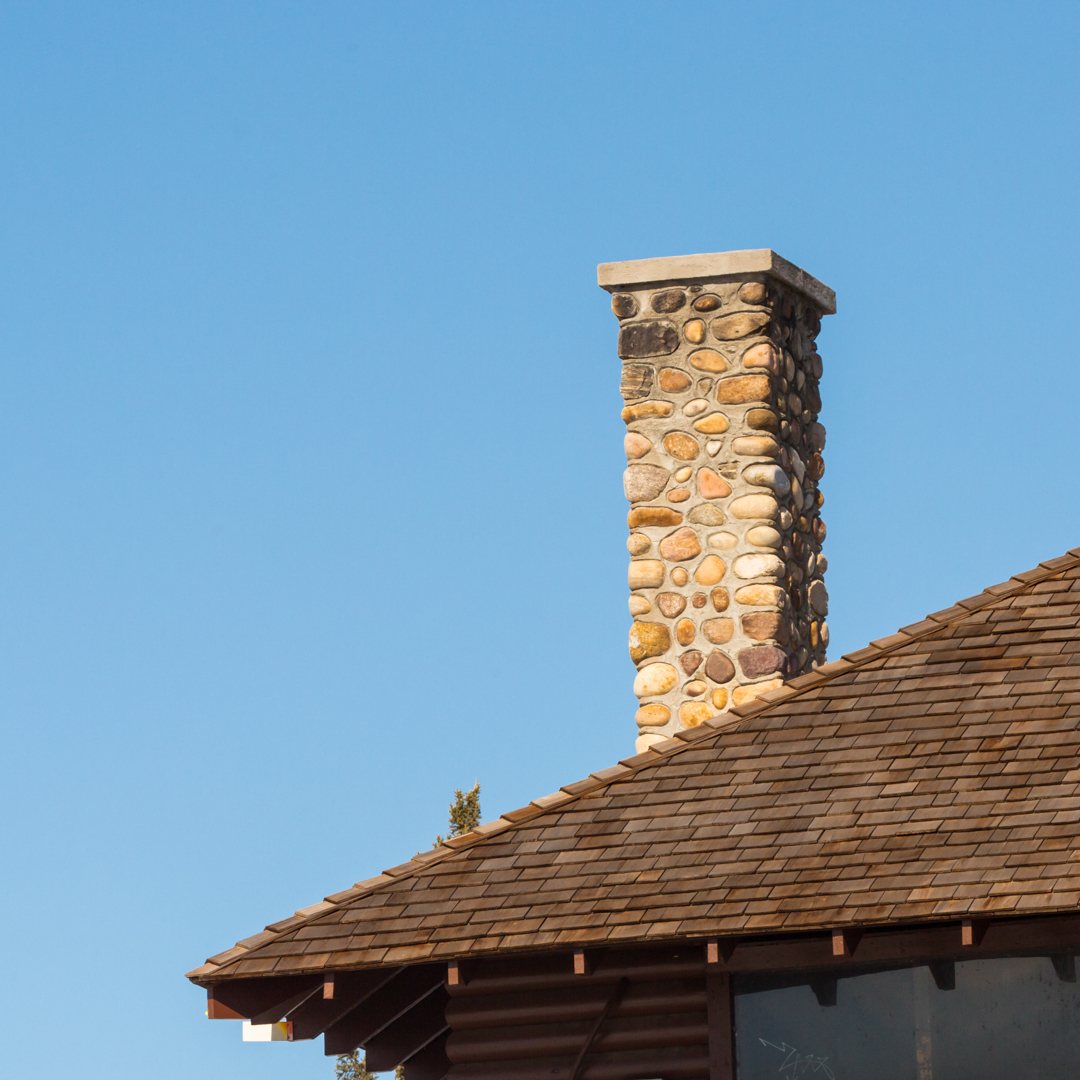
This simple, three-part standard dictates the minimum height requirements for a chimney to protect the roof from potential fire hazards. The formula that determines the minimum safe height above the roofline for a chimney is as follows:
3: The chimney must extend a minimum of 3 feet higher than the point where it passes through the roof. This measurement is generally taken from the high side of the roof penetration.
2: The chimney’s top must be at least 2 feet taller than any part of the building or roof structure (including a dormer, a peak, or an adjacent structure) within a 10-foot horizontal radius.
10: This is the horizontal distance used in the second part of the Rule. You must identify all roof sections or structures within a 10-foot horizontal sweep of the chimney’s exit point.
Why Flue Height Is Important
Following the 3-2-10 Rule is vital for several safety reasons:
- Fire Safety Clearance: The primary reason for the chimney height requirement is to prevent fires. When wood is burning in the fireplace, sparks and hot embers can be expelled from the chimney. If the chimney is too short, these embers can land on the roof surface (especially flammable materials like wood shakes) and ignite a house fire.
- Ensuring Proper Draft: A chimney’s height is a major component of its “draft,” the airflow that pulls smoke and combustion gases up and out of the house. The temperature difference between the hot flue gases and the colder outside air is a result of the buoyancy effect.
- Preventing Back-Drafting: If the chimney is too short, wind currents can create negative pressure (a “downdraft”) that pushes smoke, soot, and dangerous carbon monoxide back down the flue and into your living space.
- Optimal Appliance Performance: A proper draft ensures a clean, hot, and efficient burn, maximizing the heat output of the fireplace or appliance and reducing the buildup of flammable creosote inside the flue.
- Airflow Obstruction: The “2 feet higher than anything within 10 feet” clause addresses structures like roof peaks and dormers. These architectural features can interfere with the smooth flow of air over the chimney opening. If the chimney is not tall enough to clear the turbulence zone caused by these structures, it can lead to chronic downdrafts and poor performance. It’s similar to wake turbulence, which occurs when one aircraft follows too closely behind another.
How Do I Know If My Chimney Complies With the Height Rule?
Checking for compliance with the 3-2-10 Rule is best left to a professional chimney sweep. However, a preliminary visual check can give you an idea of the chimney’s compliance.
- Check the “3-Foot” Requirement: Stand at the point where your chimney meets the roofline. Visually confirm that the top of the chimney is at least 3 feet higher than that point.
- Check the “2-in-10” Requirement: Find the highest point of your roof or any structure (dormer, adjacent wall, etc.) within a 10-foot horizontal radius of the chimney. The top of the chimney cap must be at least 2 feet taller than the highest point of the roof. This means that if the highest point of your roof is 20 feet away from the chimney, the chimney must be at least 2 feet taller than that point.
For roofs with a steep pitch, the “2-in-10” Rule often requires the chimney to be significantly taller than the basic 3-foot requirement. If the chimney appears low or is located very close to the roof’s peak, it may be non-compliant.
Important Note: The 3-2-10 Rule sets the minimum required height. Many wood stove and appliance manufacturers specify a greater minimum height (sometimes 15 feet or more total height from the appliance) to guarantee proper draft and to honor their product warranties.
Where to Buy Approved Ceramic Coatings for Chimneys
From crowns and flue liners to smoke chambers and brickwork, our professional-grade solutions play a vital role in helping chimney sweeps repair damage, enhance performance, and prevent long-term deterioration, all while delivering superior results. For a safer, more durable, and efficient fire-burning experience, contact Approved Industries to learn more about our complete line of advanced ceramic coatings and thermal protective systems, or to find a certified installer near you.